
Audio By Carbonatix
Earlier this month, in “South Florida Living, Butcher Style,” New Times brought you the history of genocidal dictators and warlords who have fled to Miami after raping and pillaging their homelands.
But there’s a flip side to that story: What happens to their countries, and all the victims left behind, when they flee to the Magic City? For many, the wounds left by maniacal leaders such as Gilberto Jordan — who helped massacre an entire village in Guatemala in 1982 before escaping to Delray Beach — never really heal.
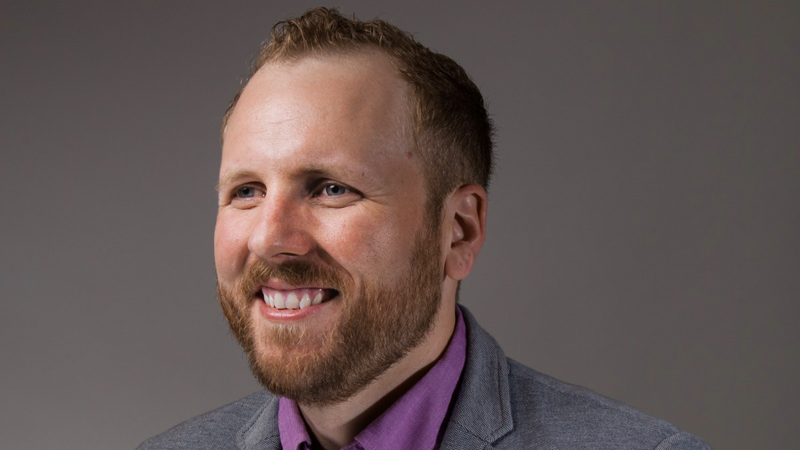
That’s where Alayna Wool, a 27-year-old photographer and artist with South Florida ties, comes into the picture. Wool believes she has one tool that can heal the pain inflicted by the Jordans of the world: photography.
“We can heal rifts by bringing communities together around a photographic record of what happened,” she says.
When news happens, Miami New Times is there —
Your support strengthens our coverage.
We’re aiming to raise $30,000 by December 31, so we can continue covering what matters most to you. If Miami New Times matters to you, please take action and contribute today, so when news happens, our reporters can be there.
Wool, who was born in Philadelphia and later moved to Puerto Rico, spent two years at South Broward High School before moving on to the Maryland Institute College of Art and a photography career.
Two years ago, she joined ArtCorps, a Peace Corps-esque group that aims to bring art and cultural education to impoverished areas, and first traveled to Rabinal, Guatemala — a mountain town not far from Dos Erres, where Jordan and his troops killed hundreds.
Wool was immediately struck by the enduring tensions left by Guatemala’s decades-long civil war. “You still have victims and perpetrators living side by side here,” she says.
In Rabinal, more than 6,000 people in the mostly indigenous town of 36,000 died in the conflict. Wool began thinking about how the village could move past the battle scars.
Her answer: A 400-foot-long mural, depicting victims, their families, and relics of the war, to be displayed prominently around the town’s cemetery.
With the backing of Rabinal’s leaders, she gathered a small team and began interviewing survivors and taking photos. “The indigenous people, who don’t speak Spanish, have almost no formal record of what happened,” she says.
Her project, called Viviendo Historia, earned startup funds from two nonprofits in the United States. Wool aims to complete her mural in November, and she’s already eying her next project: “This same concept could be used in any community that’s faced this kind of violence, whether in Guatemala or elsewhere.” she says.
Oh, and as for Jordan: The day after our story detailing his life on the lam was published, a federal judge sentenced the 54-year-old to a ten-year stay in prison.
Want to help out Alayna with her project? Check out her home page at viviendohistoria.com.